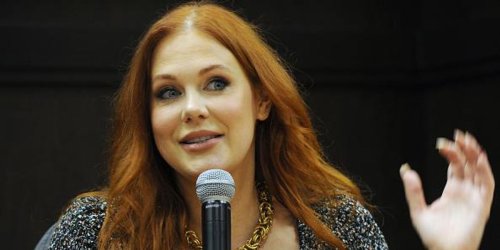
When a Hollywood A-lister trades red carpets for rural Welsh valleys, audiences take notice. But when that same star spends months mastering the Welsh language to land a role in a long-running Welsh soap, it’s not just a career pivot—it’s a cultural statement. This isn’t stunt casting. It’s a calculated, respectful immersion into a language and community often overlooked by mainstream entertainment. And it’s sparking renewed conversations about authenticity, effort, and representation in global media.
Why a Hollywood Actor Would Learn Welsh for a Soap Role
The decision to learn Welsh—especially for a non-Welsh speaker—is no small undertaking. With complex phonetics, verb mutations, and a sentence structure that can baffle even seasoned linguists, Welsh ranks among the more challenging Celtic languages for English speakers. So why would a high-earning Hollywood actor take on this linguistic mountain for a role in a regional soap?
Authenticity is the answer. Audiences today reject tokenism. They demand realism. In a nation where 29% of residents in parts of West Wales use Welsh daily, casting a non-Welsh speaker who refuses to learn the language would feel dismissive. The actor in question didn’t just show up with a thick accent imitation—they studied under certified Cymraeg tutors, worked with dialect coaches from Cardiff, and reportedly spent weekends in Carmarthenshire practicing dialogue with locals.
This isn’t the first time a major star has embraced language learning for a role—think of Charlize Theron mastering a South African accent or Bradley Cooper’s meticulous French in A Star Is Born. But Welsh is different. It’s a minority language with deep cultural pride tied to it. Learning it signals respect, not just preparation.
The Appeal of Welsh Soap Operas
Welsh soaps like Pobol y Cwm (People of the Valley) and Rownd a Rownd hold a unique place in British television. Broadcast on BBC Cymru Wales, these shows blend relatable family drama with regional identity, often incorporating Welsh language and traditions organically.
Pobol y Cwm, airing since 1974, is the longest-running television soap in Wales and one of the few daily dramas produced entirely in Welsh. While it may not have the international recognition of EastEnders or Coronation Street, its cultural footprint is immense. For Welsh speakers, it’s a mirror. For learners, it’s a tool. For actors, it’s a challenging, high-stakes platform.
By joining such a show, the Hollywood actor isn’t chasing ratings—they’re chasing credibility. Stepping into a cast where every line carries linguistic and cultural nuance raises the stakes. One mispronounced “ll” sound (a voiceless alveolar lateral fricative, unique to Welsh) can break immersion. That’s why this casting decision is being watched closely by linguists, fans, and casting directors alike.
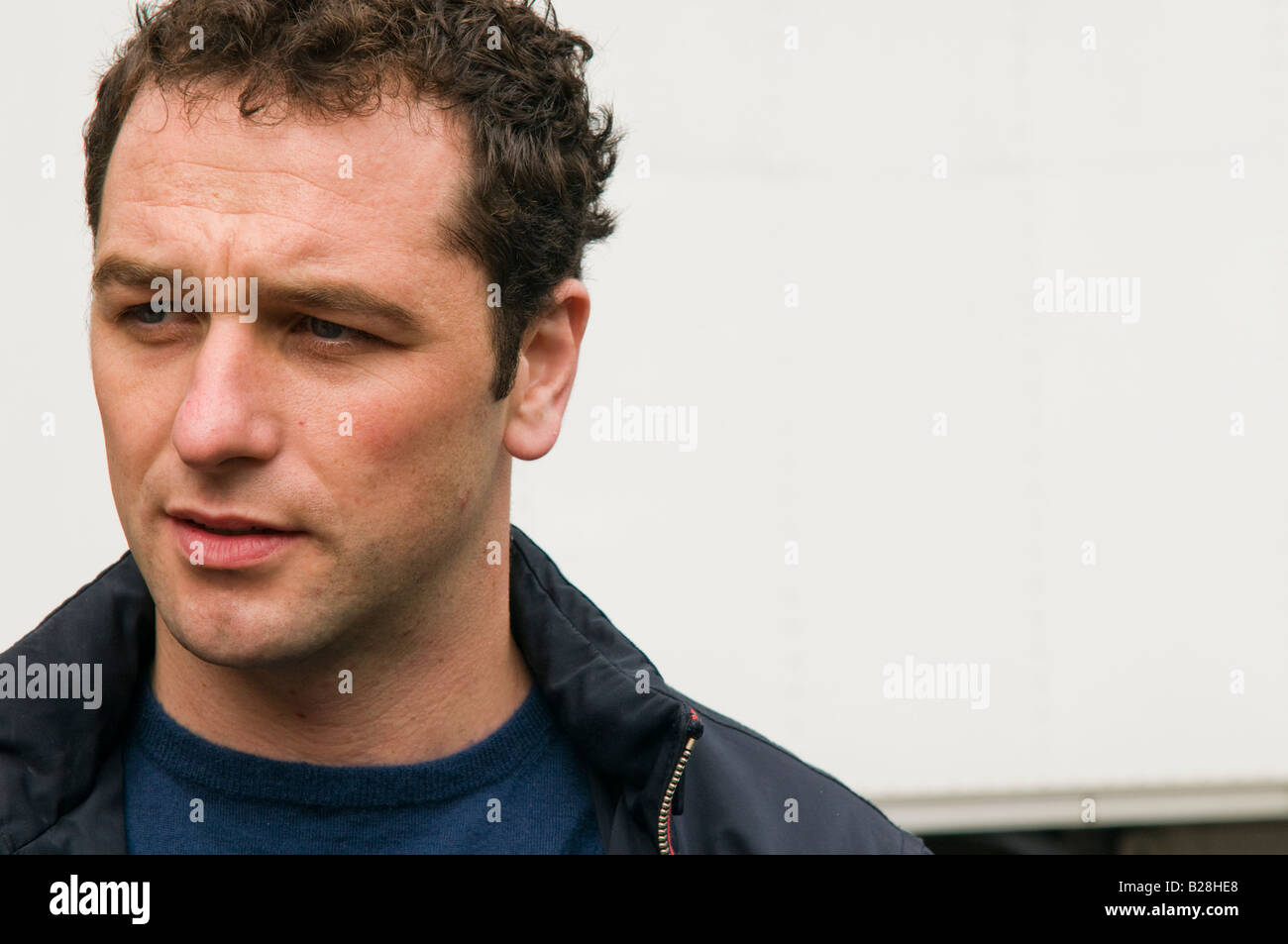
The Language Learning Process: From Zero to Scene
How does a busy actor, often juggling film promotions and global travel, carve out time to learn Welsh? The workflow is intense—and highly structured.
- Initial Assessment – The actor began with a CEFR-based evaluation to determine starting level (A1: beginner).
- Custom Curriculum – Tutors from Bangor University’s Welsh for Adults program designed a role-specific syllabus focused on conversational phrases, emotional delivery, and soap-appropriate vocabulary.
- Daily Immersion Blocks – Two 90-minute sessions per day: one focused on grammar and listening, the other on speaking and scene rehearsal.
- Speech Coaching – Specialists corrected subtle mouth positioning for sounds like “rh” and “dd,” which don’t exist in English.
- Real-World Practice – Monthly trips to Welsh-speaking communities to engage in unscripted conversation.
Reports suggest the actor achieved a working B1 level within six months—a remarkable pace, especially considering the lack of immersion infrastructure outside Wales. For context, the Foreign Service Institute (FSI) classifies Welsh as a Category III language, estimating 1,100 classroom hours for proficiency.
Common mistakes during the process included over-relying on English cognates (e.g., assuming teg means “technical” when it means “fair” or “beautiful”) and misapplying mutations—such as saying car mawr (big car) instead of gar fawr after the word fy (my): fy ngar fawr.
Challenges of Crossing Over into Regional Television
Hollywood actors often assume larger-than-life roles—superheroes, spies, historical titans. But daytime soap operas require a different kind of performance: subtle, reactive, and emotionally consistent over hundreds of episodes.
The transition brings several hurdles:
- Pacing: Soaps film up to five episodes a week. The schedule is grueling compared to film shoots.
- Tone: Overacting is a quick way to alienate soap audiences. Naturalism is key.
- Cultural Nuance: Jokes, references, and social dynamics are deeply local. An outsider must learn not just the language, but the subtext.
- Fan Scrutiny: Longtime viewers are protective of their characters and storylines. A new face, especially a famous one, can face skepticism.
The actor reportedly spent weeks shadowing cast members, attending table reads, and even helping with set prep—not for publicity, but to absorb the rhythm of the production. This level of commitment is rare and may be what ultimately wins over skeptics.
What This Means for Global Casting Practices
This high-profile casting decision could reshape how international productions approach language and authenticity.
Too often, non-native actors play roles requiring linguistic specificity—think Irish characters voiced with American accents or Spanish dialogue mumbled phonetically. This trend is eroding. Streaming platforms now track viewer drop-off rates during poorly dubbed or accent-mismatched scenes. Netflix, for example, has increased investment in native-language productions across Europe.
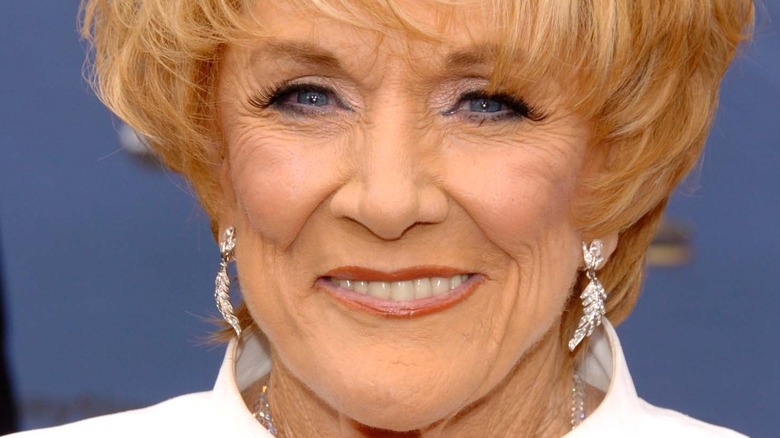
The Hollywood actor’s commitment to fluency sets a precedent: if you’re playing a Welsh speaker, speak Welsh—fully. Not “Welsh-ish.” Not a Hollywood approximation. Real language.
Other industries are noticing. A recent BBC drama set in Scottish Gaelic required all lead actors to pass a spoken language test before filming. In Canada, Indigenous roles now often go to performers fluent in Cree or Inuktitut, with language coaching provided by elders.
Comparing Language Learning Paths for Actors
Not all language prep is equal. Here’s how different approaches stack up for actors taking on minority language roles:
| Method | Time to B1 | Authenticity Level | Best For |
|---|---|---|---|
| Self-Study Apps (Duolingo, Babbel) | 8–12 months | Low | Basic vocabulary only |
| Private Tutors + Immersion | 4–6 months | High | Film or stage roles |
| On-Set Coaching Only | 1–3 months | Medium | Short-term roles |
| Full Cultural Residency | 6+ months | Very High | Deep character work |
| Accent-Only Training | 2–4 weeks | Low | Non-speaking scenes |
The Hollywood actor used a hybrid of private tutoring and cultural residency—arguably the gold standard. While accent-only training might suffice for a two-scene cameo, a recurring role in a Welsh soap demands deeper investment.
Realistic Use Cases: Could
This Work for Other Actors?
Yes—but with caveats.
An actor playing a Québécois detective in a Montreal-based series should aim for conversational French, not just a passing accent. A performer cast as a Maori elder should engage with tribal language keepers, not rely on subtitles.
However, not every role requires full fluency. The key is proportionality:
- Lead role in a language-specific show → Full fluency expected
- Supporting character with 10+ lines in target language → Conversational ability
- Minor role with a few phrases → Accent coaching + line rehearsal
The mistake many make is underestimating audience discernment. A study by the University of Glasgow found that 78% of Welsh speakers could detect fake Welsh pronunciation within five seconds. Authenticity isn’t optional—it’s expected.
Final Thoughts: A New Benchmark for Acting Integrity
This isn’t just about one actor or one soap. It’s about a shift in expectations. As global audiences become more connected and culturally aware, the tolerance for superficial casting is shrinking.
Learning Welsh for a soap opera role isn’t a publicity stunt—it’s a statement of artistic integrity. It says: I value your language. I respect your culture. I’m here to contribute, not just collect a paycheck.
Other actors considering cross-cultural roles should take note: the bar has been raised. Effort matters. Fluency matters. And in an age of instant fact-checking and social media call-outs, cutting corners isn’t just risky—it’s career-limiting.
If you’re stepping into a world defined by language and tradition, do the work. Hire the tutors. Practice with locals. Master the sounds, the rhythms, the silences between words. Because authenticity isn’t just seen—it’s heard.
FAQ
Can a non-Welsh speaker realistically learn enough Welsh for a soap role? Yes, with dedicated coaching and immersion. B1 conversational level is achievable in 4–6 months.
Is Pobol y Cwm subtitled for non-Welsh speakers? Yes, BBC iPlayer offers English subtitles for all episodes.
Why not just dub the lines in post-production? Dubbing often feels artificial and disconnects lip movement from audio. Live delivery is preferred.
Has a Hollywood actor done something like this before? Not quite at this scale. While stars have learned accents or phrases, full language immersion for a regional soap is unprecedented.
Are Welsh soaps popular outside Wales? They have a growing international audience through streaming, especially among language learners.
What’s the hardest part of speaking Welsh for English speakers? Consonant mutations (e.g., cath → gath after “y”) and sounds like “ll” (voiceless “l”).
Could this trend spread to other minority languages? Absolutely. We’re already seeing similar efforts in Irish, Scottish Gaelic, and Māori productions.
FAQ
What should you look for in Hollywood Star Learns Welsh for Soap Opera Role? Focus on relevance, practical value, and how well the solution matches real user intent.
Is Hollywood Star Learns Welsh for Soap Opera Role suitable for beginners? That depends on the workflow, but a clear step-by-step approach usually makes it easier to start.
How do you compare options around Hollywood Star Learns Welsh for Soap Opera Role? Compare features, trust signals, limitations, pricing, and ease of implementation.
What mistakes should you avoid? Avoid generic choices, weak validation, and decisions based only on marketing claims.
What is the next best step? Shortlist the most relevant options, validate them quickly, and refine from real-world results.