Maitland Ward didn’t leave Hollywood—she escaped it.
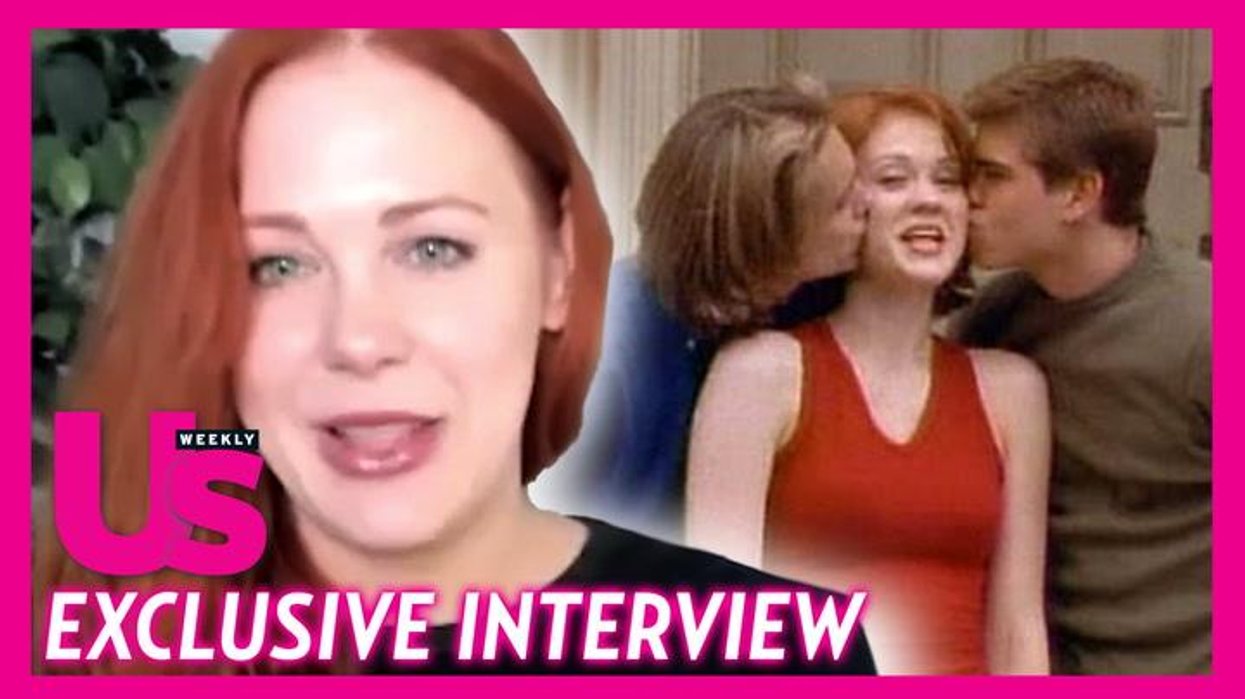
Once a familiar face on Disney Channel’s Boy Meets World, playing the sweet, studious Rachel McGuire, she’s now one of the most vocal critics of the system that shaped her early career. In recent interviews and her memoir Ready for Love, Ward has pulled back the curtain on how young performers are treated like interchangeable parts in a factory designed for profit, not personal growth.
Her message is clear: child actors in Hollywood, especially those under the Disney umbrella, are not nurtured as artists—they’re packaged, sold, and discarded.
This isn’t just one star’s bitterness. It’s a pattern echoed by others like Demi Lovato, Dylan Sprouse, and Jamie Lynn Spears. What Ward offers, however, is a rare level of detail—about contracts, behavior control, psychological toll, and the abrupt loss of identity once the spotlight fades.
The Illusion of the Disney Dream
Disney markets innocence. Pastel costumes. Catchy theme songs. Wholesome storylines that air during family dinner hours. To audiences, it’s safe. To parents, it’s a golden ticket. But behind the scenes, the machinery is anything but gentle.
Ward has described her experience as “structured like a corporation,” not a creative studio. From the moment she landed her role at 20—technically an adult, but entering a world built for teenagers—she felt the pressure to conform.
“You’re given a look, a voice, a persona,” she said in a 2023 interview. “You don’t develop it. It’s handed to you. And if you step outside of it, you’re replaced.”
This isn’t hyperbole. Child stars are often bound by multi-year contracts that restrict outside work, social media activity, and even personal relationships. Disney historically required stars to sign exclusivity deals, preventing them from auditioning elsewhere or engaging in adult-themed projects—even after turning 18.
For Ward, the shift came when she turned 21. Suddenly, she was too old for the teen roles she’d been trained for, too young for mature parts, and boxed in by an image she no longer recognized.
The Identity Crisis No One Talks About
Ask any former child star about their late teens or early twenties, and many describe a version of the same crisis: Who am I when the script stops?
Ward was trained to deliver lines on cue, hit marks, and smile through exhaustion. But she wasn’t taught how to navigate adulthood, manage money, or build a career beyond a single franchise.
“I wasn’t an actress,” she said. “I was a product. And when the product cycle ended, no one checked in.”
This treatment isn’t unique to Disney. But because of its cultural dominance and branding as “family-friendly,” the emotional whiplash is more severe. Young performers are raised under strict moral clauses—no cursing, no parties, no controversial headlines—only to be dropped the moment they age out.
The system profits from their youth, then abandons them to figure out the rest.
The Factory Floor: How Young Actors Are Processed
Think of Hollywood’s youth pipeline like an assembly line:
- Talent Scouting: Agencies and casting directors recruit kids as young as six.
- Branding: Producers assign them a “type”—the best friend, the nerdy sibling, the quirky neighbor.
- Training: Strict schedules, scripted behavior, media coaching.
- Output: Episodes, merch, press tours, fan events.
- Obsolescence: Aging out, public fatigue, or scandals trigger replacement.
Ward entered at stage four but realized too late that stage five was inevitable.
She watched peers struggle under the weight of fame without tools to handle it. Some turned to substances. Others retreated from public life. A few reinvented themselves—like Raven-Symoné or Selena Gomez—but those transitions are hard-won and rare.
“The machinery doesn’t care about your mental health,” Ward said. “It cares about ratings, merch sales, and renewals.”
Control Beyond the Set
Disney’s control extends far beyond filming hours. Former stars have reported being told:
- What to wear in public
- Who they can date
- How to phrase social media posts
- Whether they can attend award shows or talk to press
In some cases, stars were required to live in chaperoned housing or travel with minders. Violating these rules could mean suspension or contract termination.
This environment creates dependency. Young actors don’t learn to make career decisions—they learn to obey.
When Ward tried to audition for more mature roles post-Boy Meets World, she was told she was “too Disney” to be taken seriously. The brand that once elevated her now boxed her in.
It wasn’t until she stepped into adult entertainment—a controversial but deliberate choice—that she reclaimed agency.
Reclaiming Control: Ward’s Career Pivot
In 2019, Maitland Ward made headlines by entering the adult film industry with her debut Drive. The move shocked fans and critics alike. But for Ward, it wasn’t a fall from grace—it was a power grab.
“I wanted to own my image,” she said. “I spent years being told how to dress, how to act, how to speak. Now, I’m in control of every decision.”
She didn’t just perform—she became a producer, co-writing scripts and directing scenes. Her production company, Maitland Ward Productions, focuses on high-quality, performer-led content.
This shift wasn’t just professional—it was psychological.
By stepping into an industry that values autonomy, Ward reversed the script. Where Hollywood treated her like a consumable product, adult entertainment gave her creative ownership.
Critics called it a desperate act. But her success tells a different story:
- Multiple award nominations (AVN, XBIZ)
- High viewer engagement and critical praise for production quality
- A platform to speak openly about consent, boundaries, and labor rights
Ward’s journey underscores a harsh truth: sometimes, the only way to escape a system that commodifies you is to take full ownership of that commodification.
Why Other Stars Stay Silent
If the system is so flawed, why don’t more former child stars speak out?
For many, non-disclosure agreements (NDAs) are a barrier. Others fear career repercussions. Some are still under contract or rely on nostalgia tours and merch sales that depend on maintaining a “clean” image.
There’s also emotional complexity. Many child stars love their work. They cherish their fans and memories. Criticizing the system can feel like betraying their younger selves.
But silence has consequences.
Without accountability, studios continue to exploit young talent. Parents, often unaware of the long-term risks, push their kids into auditions with dreams of stardom—unprepared for the emotional toll.

Ward’s openness breaks that cycle. She doesn’t demonize Disney or acting. She critiques the structure—the lack of preparation, the lack of exit ramps, the lack of aftercare.
Systemic Change: What Needs to Happen
Ward’s story isn’t just a personal reckoning. It’s a case study in systemic failure.
Here’s what needs to change for young actors:
1. Mandatory Education & Life Skills Training On-set tutors teach academics, but not financial literacy, mental health awareness, or career planning. Studios should be required to provide holistic life coaching.
2. Age-Appropriate Transition Programs
When a child actor ages out, they should have access to career counseling, rebranding support, and alumni networks—like a real education system.
3. Strict Limits on Work Hours California’s Coogan Law protects a portion of child actors’ earnings but doesn’t cap working hours. Extended filming schedules harm development and education.
4. Independent Advocates on Set Instead of relying on parents or managers (who may have conflicting interests), young performers should have access to neutral advocates—like court-appointed guardians for high-profile cases.
5. Post-Career Support Funds Studios profit for years from reruns, merch, and streaming. A small percentage should fund a support pool for former child stars facing mental health or financial crises.
Until then, the factory keeps running.
A New Narrative for Former Child Stars
Maitland Ward’s journey—from Disney darling to outspoken critic to empowered creator—challenges the myth that child stars must fade quietly.
She’s not the first to critique the system. But she’s one of the few who’s built a new model from the wreckage.
Her message is not just about Hollywood’s past. It’s a warning—and a roadmap.
For parents considering auditions for their kids: know the cost. For fans who grew up with these stars: see them as people, not characters. For the industry: stop treating talent as disposable.
The factory thrives on silence. Ward’s voice is a wrench in the gears.
And that’s the most powerful role she’s ever played.
FAQ
Why did Maitland Ward leave mainstream acting? She felt typecast and restricted by her Disney image, unable to land mature roles. The industry’s lack of support for transitioning child actors led her to seek creative control elsewhere.
Did Disney treat Maitland Ward poorly? She hasn’t accused Disney of abuse, but has criticized its systemic treatment of young performers as products—emphasizing branding over personal development.
Why did Maitland Ward go into adult films? It was a deliberate choice to reclaim autonomy over her image and career. She wanted creative control, which she now has as a producer and performer.
Are other Disney stars speaking out like Maitland Ward? Yes—Demi Lovato, Drew Barrymore, and Jamie Lynn Spears have all discussed mental health struggles and industry pressures, but Ward is among the most direct about commodification.
Can child actors avoid being exploited? With strong parental guidance, legal representation, and access to independent advocates, risks can be reduced—but systemic change is needed for real protection.
Is Maitland Ward still acting in mainstream roles? She occasionally appears in indie films and podcasts, but focuses on adult entertainment production where she maintains creative and financial control.
What can be done to protect young performers? Reforms include mandatory life skills training, work hour limits, post-career support funds, and independent on-set advocates to ensure the child’s best interests are prioritized.
FAQ
What should you look for in Maitland Ward on Hollywood’s Child Star Factory System? Focus on relevance, practical value, and how well the solution matches real user intent.
Is Maitland Ward on Hollywood’s Child Star Factory System suitable for beginners? That depends on the workflow, but a clear step-by-step approach usually makes it easier to start.
How do you compare options around Maitland Ward on Hollywood’s Child Star Factory System? Compare features, trust signals, limitations, pricing, and ease of implementation.
What mistakes should you avoid? Avoid generic choices, weak validation, and decisions based only on marketing claims.
What is the next best step? Shortlist the most relevant options, validate them quickly, and refine from real-world results.